
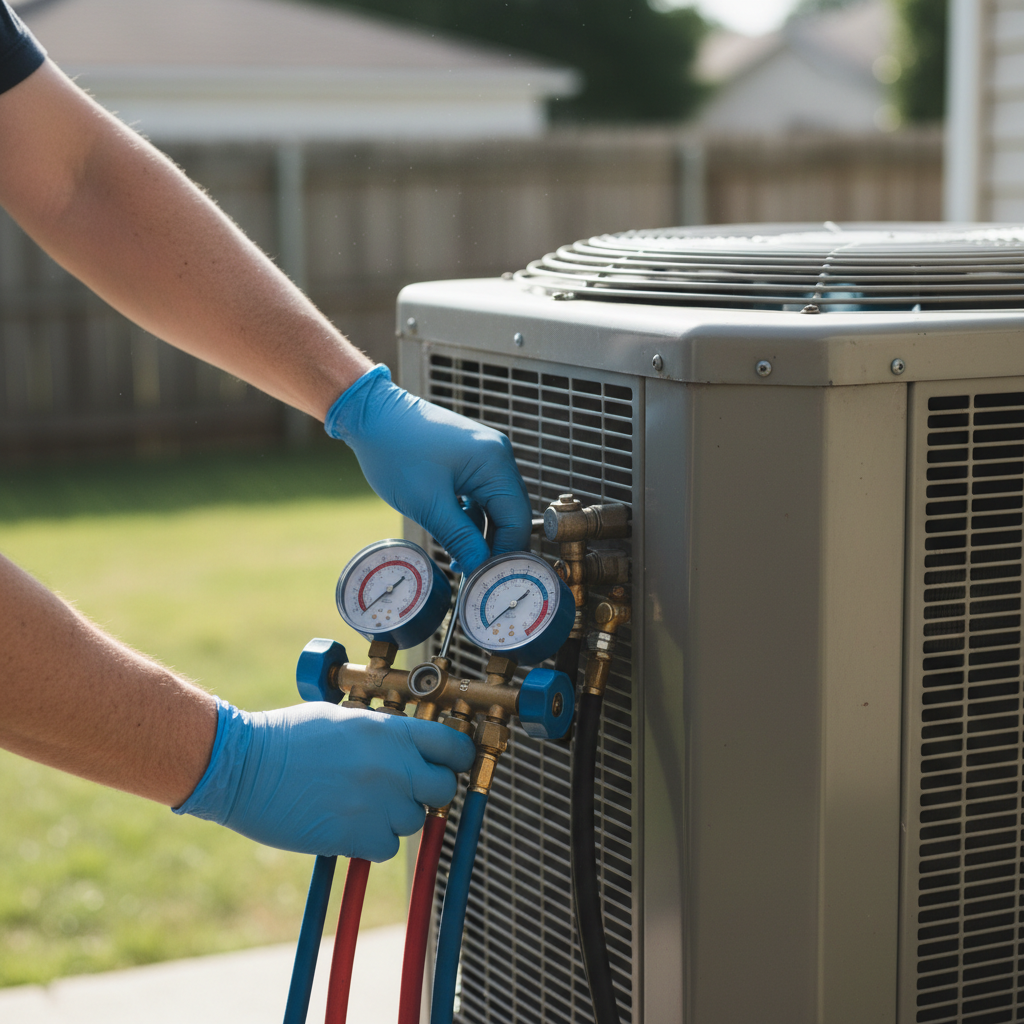
It's the most overlooked investment in your home — and it pays the highest return. Preventive HVAC maintenance is the single most effective way to protect your comfort, your equipment, and your wallet.
In this guide, we break down exactly why a bi-annual tune-up isn't an expense but an investment — and how it pays for itself within the first year.
The Real Cost of Skipping Maintenance
The U.S. Department of Energy estimates that a well-maintained system runs up to 25% more efficiently than a neglected one. That's a quarter of your heating and cooling energy, recovered simply by keeping coils clean, refrigerant charged, and components calibrated.
But efficiency is only part of the story. Here's what neglect really costs you:
- Higher energy bills — dirty coils and clogged filters force the system to run longer
- Shorter equipment lifespan — a 15-year system can fail in 8–10 without care
- More frequent breakdowns — small issues compound into major failures
- Voided warranties — most manufacturers require documented annual maintenance
- Emergency repair premiums — breakdowns always happen at the worst time
A single emergency AC repair can cost more than a decade of tune-ups.
How Much Can You Save With Preventive Maintenance?
Let's put real numbers to it. If your monthly energy bill averages $200, a 25% efficiency loss from neglect costs you $50 a month — $600 a year. A bi-annual tune-up that restores efficiency pays for itself several times over.
Additional savings come from:
- Fewer repairs — maintenance catches issues before they become expensive failures
- Longer equipment life — 15–20 years vs. 8–10 for neglected systems
- Discounted parts and labor — most maintenance plans include repair discounts
- No overtime fees — members skip after-hours surcharges entirely
What Happens During an HVAC Tune-Up?
A thorough maintenance visit covers far more than a filter swap. Our technicians perform a full-system inspection and calibration:
Spring Cooling Tune-Up
- Clean condenser and evaporator coils
- Check and adjust refrigerant charge
- Inspect electrical connections and capacitors
- Lubricate motors and moving parts
- Test thermostat calibration
- Clear the condensate drain line
- Verify temperature split across the coil
Fall Heating Tune-Up
- Inspect heat exchanger for cracks
- Clean and adjust burners
- Test safety controls and limits
- Check ignition system and gas pressure
- Inspect flue and ventilation
- Lubricate blower motor
- Replace air filter
Each step protects a specific component and catches a specific failure mode — long before it becomes a breakdown.
Why Breakdowns Always Happen at the Worst Time
HVAC failures follow Murphy's Law. The first 90-degree day in June. Christmas Eve. The night before a big family gathering. Why? Because those are the moments your system runs hardest, and undetected wear finally becomes failure.
Preventive maintenance flips this script. By tuning up in spring and fall — before the peak seasons — you catch weak capacitors, low refrigerant, and cracked heat exchangers when a fix costs tens, not hundreds, of dollars.
Does a Maintenance Plan Make Sense?
For most homeowners, yes. Our membership includes:
- Two tune-ups per year (spring cooling + fall heating)
- Priority same-day dispatch — skip the line during peak season
- 15% repair discount on all parts and labor
- No overtime fees — evenings and weekends at no extra cost
- Transferable agreement if you sell your home
Membership typically pays for itself in energy savings alone, before any repair discounts. Add one avoided breakdown, and the ROI is dramatic.
Signs You're Overdue for Maintenance
If you've gone more than a year without a professional tune-up, you're likely overdue. Other warning signs:
- Your energy bill has crept up without a usage change
- Some rooms are harder to heat or cool than others
- The system runs louder than it used to
- You notice unusual smells when the system starts
- Humidity feels off, or allergy symptoms worsen indoors
If any of these sound familiar, book a tune-up before the season changes.
Frequently Asked Questions
Curious how maintenance fits into the bigger picture? See our guides on signs your AC needs repair and choosing a smart thermostat for related insights.


