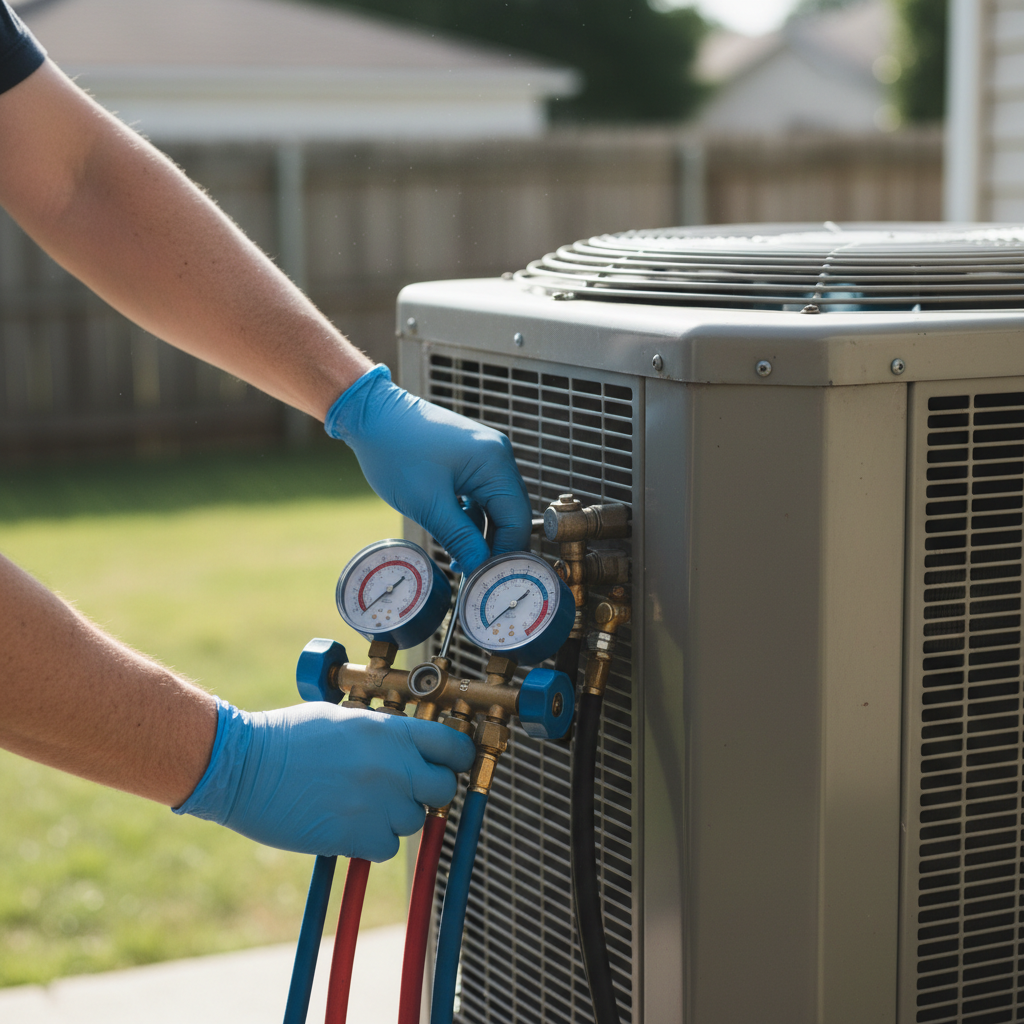
When the Texas heat rolls in, your air conditioner becomes the most important appliance in your home. But like any hardworking machine, an AC unit rarely fails without warning. Catching the early signs your AC needs repair can be the difference between a quick, affordable fix and a catastrophic midsummer breakdown.
In this guide, the master technicians at AIRmazing walk through the seven most common warning signs that your air conditioner needs professional attention — and what each symptom usually means for your system.
1. Weak or Reduced Airflow From Your Vents
If the air coming from your supply registers feels timid or uneven between rooms, your system is struggling. Weak airflow typically points to a clogged air filter, a failing blower motor, or leaks and blockages in your ductwork.
The danger isn't just discomfort — when airflow drops, your evaporator coil can freeze solid. A frozen coil forces the compressor to work overtime, and a burned-out compressor is one of the most expensive repairs in HVAC. Swap in a clean filter first. If airflow doesn't improve within a day, it's time for a professional diagnostic.
2. Warm Air Blowing From the Supply Vents
This is the most obvious red flag, and homeowners notice it fast. When your AC runs but blows room-temperature or warm air, the usual suspects are:
- Low refrigerant from a leak somewhere in the sealed system
- A failed compressor or capacitor that can't pressurize the refrigerant
- A frozen evaporator coil that can't absorb heat from your home
Shut the system off immediately and call for air conditioning repair. Running a struggling compressor with low refrigerant can destroy the part and turn a $200 fix into a $4,000 replacement.
3. Strange Sounds — Grinding, Squealing, or Rattling
A healthy air conditioner hums quietly in the background. New sounds are almost always a distress call:
- Grinding often means a failing bearing in the blower motor or compressor
- Squealing can point to a worn or slipped blower belt
- Rattling or buzzing suggests loose hardware, a failing contactor, or debris in the outdoor condenser
- Clicking on startup frequently indicates a failing relay or capacitor
Ignoring these sounds lets a $150 part failure cascade into a full motor or compressor burnout. Schedule AC repair as soon as you hear something new.
4. Unusual Odors Coming From the Vents
Your nose knows. Different smells point to different problems, and none of them should be ignored:
- Musty or dirty sock smell — biological growth in the evaporator coil or ductwork
- Burning or electrical smell — overheating wiring, a failing motor, or a tripped breaker
- Chemical or sweet smell — a refrigerant leak, which can be harmful to breathe
A musty smell often clears up with coil cleaning and indoor air quality treatment. Electrical or chemical odors need immediate professional attention.
5. Frequent or Short Cycling
Short cycling — when your AC turns on and off every few minutes without completing a full cooling cycle — is both a symptom and a cause. It wears out components prematurely and spikes your energy bills. Common triggers include:
- An oversized system that cools the home too fast and shuts down
- A dirty air filter or iced coil restricting airflow
- Low refrigerant charge preventing the system from reaching setpoint
- A mis-calibrated thermostat or failing sensor
Short cycling cuts equipment lifespan by years. If you notice it, book a tune-up before it damages the compressor.
6. Rising Energy Bills With No Usage Change
When your habits haven't changed but your electric bill climbs, your system's efficiency is dropping. A well-maintained air conditioner should cool predictably season after season. Rising consumption often means:
- A dirty condenser coil that can't reject heat efficiently
- Low refrigerant forcing longer run times
- An aging system losing SEER rating year over year
A professional maintenance visit typically restores efficiency and pays for itself in lower bills within a few weeks.
7. Moisture or Leaks Around the Indoor Unit
Water pooling near your indoor air handler usually means a clogged condensate drain line — a quick and inexpensive fix. But refrigerant leaks can also cause moisture, and those are serious. Watch for:
- Standing water near the furnace or air handler
- Ice forming on the copper refrigerant lines
- Stains or water damage on ceilings or drywall below the unit
A clogged drain can overflow and ruin drywall. A refrigerant leak can wreck your compressor. Either way, it's worth a service call.
When to Repair vs. Replace Your Air Conditioner
Not every warning sign means you need a new system. As a rule of thumb, the $5,000 rule helps: multiply the age of your system (in years) by the estimated repair cost. If the number exceeds $5,000, replacement usually makes more economic sense.
Other factors that favor replacement:
- Your system uses R-22 refrigerant (no longer manufactured)
- Repairs exceed half the cost of a new unit
- The system is past 10–15 years old
- Your energy bills keep climbing despite repairs
If you're weighing the decision, our financing options make high-efficiency replacement surprisingly affordable — and a new system can cut cooling costs by 20–40%.
How to Prevent AC Breakdowns Year-Round
The best repair is the one you never need. Preventive maintenance catches small issues in spring and fall, when a fix costs tens — not hundreds — of dollars. Our membership includes:
- Bi-annual tune-ups
- Priority same-day dispatch
- 15% member repair discount
- No overtime fees
Learn more about how it pays for itself in our guide to preventive HVAC maintenance, or book a tune-up today.